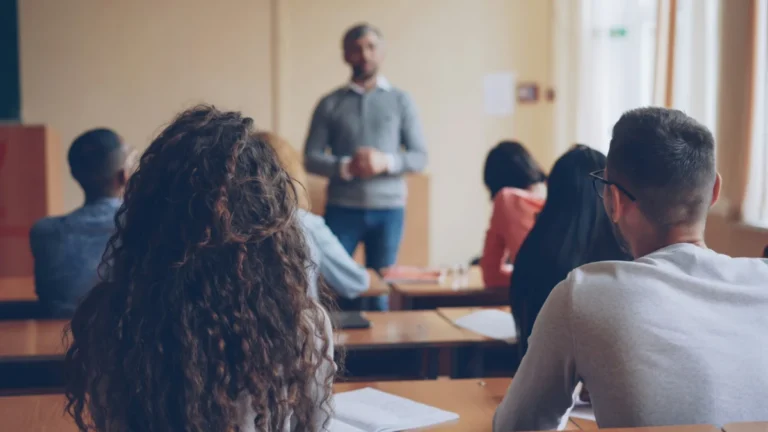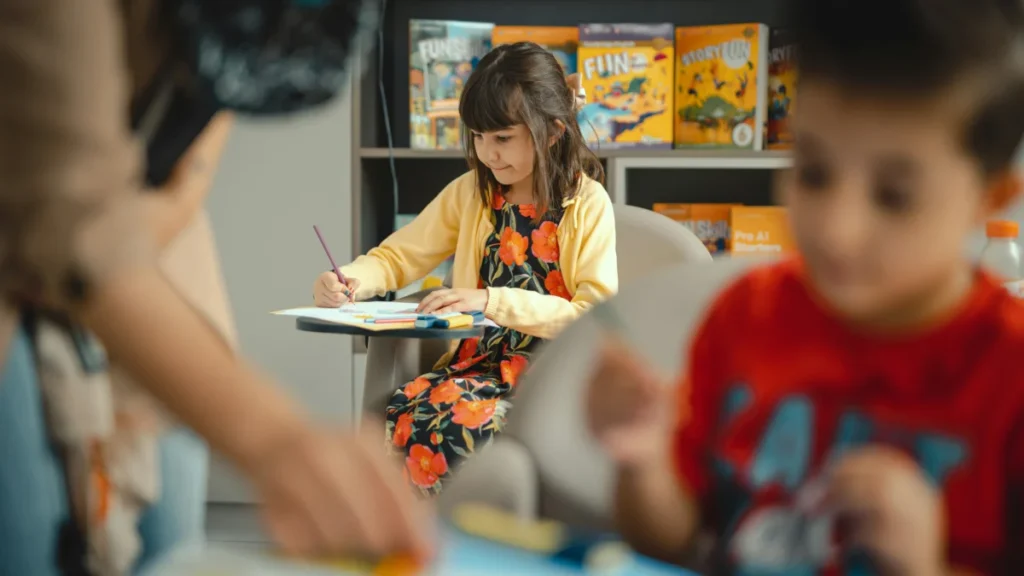
Children in school today will build careers and lives in a world that is difficult to predict. Technology, economies and societies continue to change quickly. While no one can say exactly what the future holds, educators broadly agree on a set of skills for the future that will help young people adapt, contribute and thrive. Meaningful learning, learning that connects with children’s lives and asks them to think, is central to developing those skills.
Strong foundations still matter
Preparing for the future does not mean abandoning the basics. Literacy and numeracy remain essential, because they unlock learning in every other area. Confident readers and capable mathematicians are better equipped to learn new skills throughout their lives. Habits such as reading for pleasure support this foundation.
Key skills for the future
Critical thinking
Children need to evaluate information, ask good questions and reach reasoned conclusions. Teachers can encourage this by asking “why” and “how” questions and inviting learners to explain their thinking.
Creativity
Creativity is not limited to art. It includes generating ideas, approaching problems in new ways and making connections. Open-ended tasks, projects and creative activities help children develop it.
Communication
Expressing ideas clearly in speech and writing, and listening carefully to others, are vital in every walk of life. Discussions, presentations and collaborative tasks build these skills.
Collaboration
Much work is done in teams. Group activities teach children to share ideas, divide tasks, resolve disagreements and work towards common goals.
Adaptability and resilience
Children who can cope with setbacks and learn from mistakes are better prepared for change. A classroom culture that values effort and treats mistakes as part of learning supports resilience.
Digital literacy
Using technology safely, responsibly and effectively is increasingly important. Children also need to evaluate online information critically.
What meaningful learning looks like
Meaningful learning connects new knowledge to what children already know and to the world around them. It often includes:
- Real-world contexts. Applying mathematics to budgeting or science to local environmental questions.
- Active participation. Hands-on activities, experiments and projects rather than only listening.
- Choice and ownership. Opportunities for learners to pursue questions that interest them.
- Reflection. Time to think about what has been learned and how.
Approaches such as Montessori education reflect many of these principles, particularly hands-on learning and independence.
The role of teachers and schools
Developing skills for the future depends on skilled teachers who can design rich learning experiences. Our article on the role of teachers explores this further. Schools support this work by providing effective learning environments, quality resources and ongoing teacher development.
How parents can help
- Encourage curiosity by exploring children’s questions together.
- Give children responsibilities that build independence.
- Discuss news, books and everyday decisions to develop thinking and communication.
- Praise effort and persistence, not only results.
A practical example
Imagine a class learning about their local community. Rather than only reading about it, learners work in small groups to identify a local issue, such as litter around the school. They gather information, discuss possible solutions, present their ideas to classmates and agree on an action, such as a recycling campaign.
In a single project, children practise reading, writing and mathematics, alongside critical thinking, creativity, communication and collaboration. They also see that learning can make a real difference. Projects like this need not be large or complex; what matters is that learners are thinking, applying knowledge and working together towards a meaningful goal.
Conclusion
No one can predict the future precisely, but children can be prepared to meet it with confidence. Strong foundations, combined with critical thinking, creativity, communication, collaboration and resilience, give young people the tools to adapt and thrive. Meaningful learning, at school and at home, is how those skills grow.
To learn more about the companies within The Chelis Group, visit Our Companies or get in touch with our team.