Textbooks, workbooks, readers and teacher’s guides are so familiar that it is easy to overlook the work behind them. Educational publishing is the process of planning, writing, editing, designing and producing learning materials. It plays a quiet but essential role in education, shaping what learners study and how teachers deliver the curriculum.
What is educational publishing?
Educational publishing focuses on materials designed specifically for teaching and learning. Common types include:
- Students’ books that present curriculum content in a structured sequence.
- Workbooks that give learners space to practise and apply what they have learned.
- Teacher’s guides that support lesson planning and delivery.
- Readers and storybooks that build literacy and a love of reading.
- Charts and supplementary materials that reinforce key concepts.
How educational publishing supports learning
Structure and progression
Well-planned materials introduce ideas in a logical order, building on prior learning and gradually increasing in challenge.
Curriculum alignment
Educational publishers design materials around the curriculum, helping schools cover required content consistently.
Consistency across classrooms
When teachers use the same core materials, learners in different classes receive a comparable experience.
Support for teachers
Teacher’s guides, suggested activities and answer keys help teachers plan efficiently and teach with confidence.
Access to reading
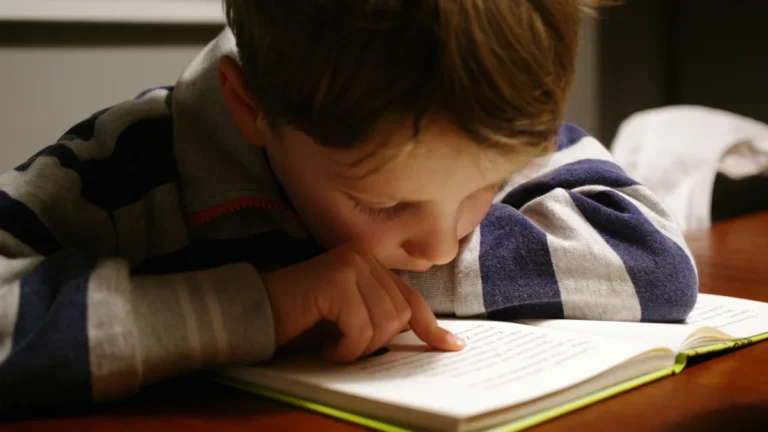
Children’s books and readers give learners opportunities to read widely, supporting the reading culture that underpins success in school.
What goes into a quality educational book?
Creating effective learning materials involves several stages.
Planning
Publishers begin by studying the curriculum and the needs of learners and teachers, deciding on scope, sequence and format.
Writing
Authors, often experienced educators, write content that is accurate, clear and appropriate for the age group.
Editing and review
Editors check accuracy, consistency and readability. Reviews by subject specialists and teachers help ensure the material works in real classrooms.
Design and illustration
Clear layouts, readable typefaces and helpful illustrations make content easier to understand and more engaging.
Production
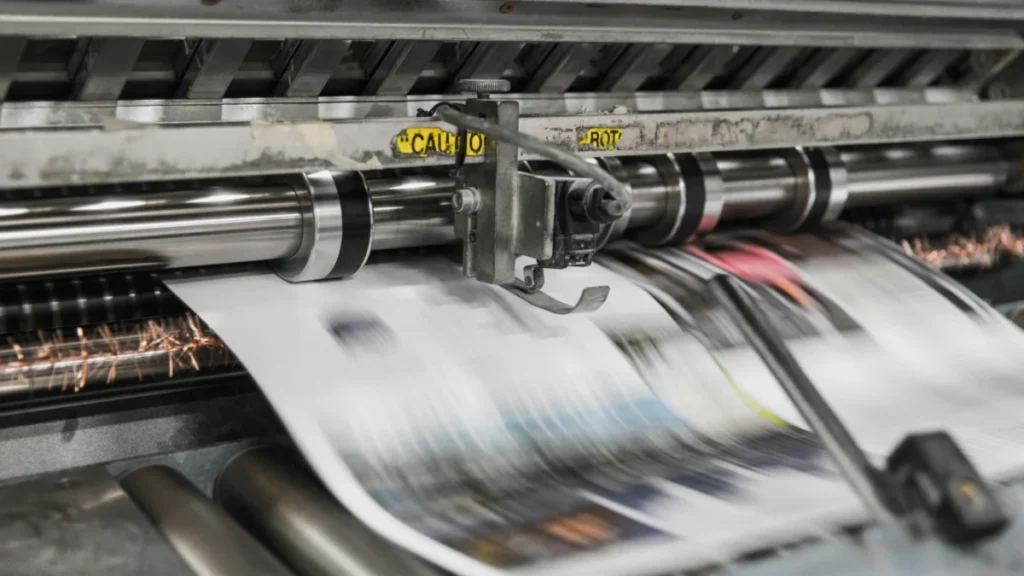
Printing and binding must be durable enough for daily classroom use.
The value of locally relevant materials
Learners engage more readily with content that reflects their own environment, culture and experiences. Educational materials written with local curricula and contexts in mind can make learning more meaningful and accessible.
Educational publishing in a changing world
Digital tools are adding new possibilities, such as interactive exercises and online resources. Printed books, however, remain central in many classrooms because they are reliable, accessible and easy to use without devices or connectivity. Many schools benefit from a thoughtful combination of both.
Choosing published materials
Schools selecting materials should review sample content, involve teachers in decisions and consider complete sets that include students’ books, workbooks and teacher’s guides. Our article on why quality educational resources matter offers a practical checklist.
From idea to classroom
To see how the process comes together, consider the development of a new workbook for an early primary class. The publishing team first studies the curriculum objectives for the year and talks with teachers about where learners commonly struggle. Authors then draft activities that progress from simple to more demanding tasks. Editors check every exercise and answer, designers create clear layouts with space for children’s writing, and illustrators add pictures that support understanding.
Before printing, teachers may review sample pages and suggest improvements. The finished workbook reaches classrooms as a practical tool that learners can use independently and teachers can rely on throughout the year.
Conclusion
Educational publishing turns curricula into the books and materials that learners and teachers use every day. Careful planning, writing, editing and design help ensure those materials are accurate, engaging and effective, making educational publishing an important contributor to learning.
Chelis Publications publishes educational books, including students’ books, workbooks, teacher’s books and children’s readers, and Chelis Bookazine Ltd supplies educational books to schools and families. To find out more, get in touch with our team.