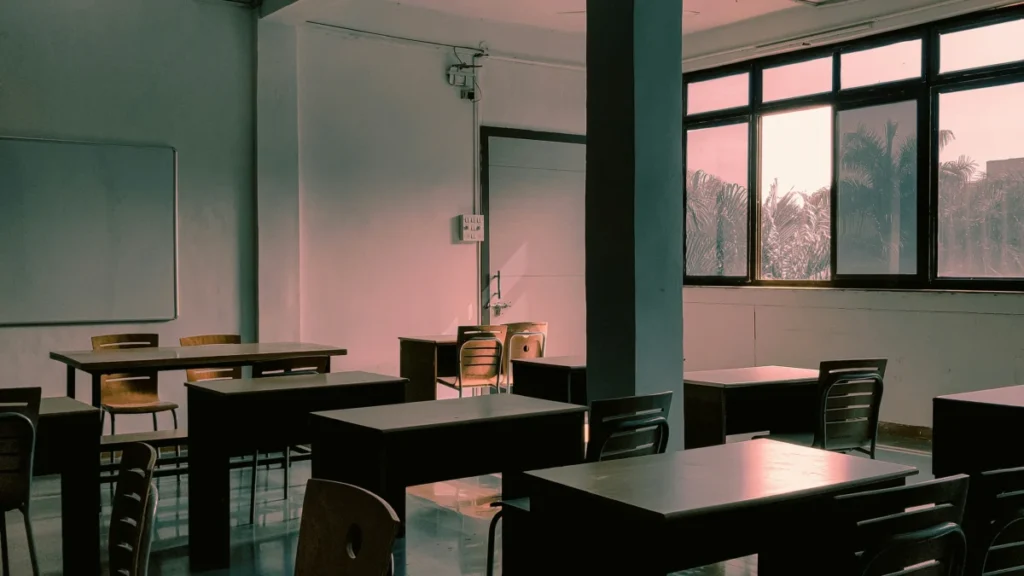
Children learn best in places where they feel safe, supported and engaged. Creating effective learning environments is therefore one of the most important responsibilities of any school. A learning environment includes not only the physical classroom but also the routines, relationships and culture that shape everyday school life.
What makes a learning environment effective?
An effective learning environment helps learners focus, take part and make progress. It is organised, purposeful and welcoming, and it supports both teaching and learning. Schools can strengthen their environments by paying attention to several areas.
The physical environment
Layout and space
Classroom layout affects how learners interact. Rows can support focused individual work, while grouped tables encourage collaboration. Flexible arrangements allow teachers to adapt to different activities.
Light, air and comfort
Good natural light, ventilation and comfortable temperatures help learners concentrate. Simple improvements, such as rearranging furniture to make better use of windows, can make a noticeable difference.
Organisation and resources
Materials should be easy to find and use. Labelled storage, tidy shelves and accessible books encourage independence and save valuable lesson time. Quality learning materials are essential, as we explain in why quality educational resources matter.
Purposeful displays
Displays of learners’ work, key vocabulary and helpful prompts can support learning, but too many displays can overwhelm. Displays work best when they are relevant and regularly updated.
The social and emotional environment
Positive relationships
Respectful relationships between teachers and learners, and among learners themselves, create a sense of belonging. Children who feel valued are more willing to try, ask questions and learn from mistakes.
Clear expectations and routines
Consistent routines for arriving, moving between activities and finishing lessons reduce uncertainty and free up time for learning. Clear, fair expectations for behaviour help everyone feel secure.
Inclusion
Effective environments welcome learners with different abilities, backgrounds and needs. Teachers can adapt tasks, offer additional support and celebrate diversity within the classroom.
The learning culture
Beyond the classroom, a school’s culture shapes how learners approach their education. Schools with a strong learning culture:
- Celebrate effort and improvement, not only top results.
- Encourage curiosity, questions and discussion.
- Value reading across all subjects.
- Involve parents as partners in their children’s learning.
Our article on parent-school collaboration explores how families can contribute.
The role of teachers and leaders
Teachers bring learning environments to life. Their planning, explanations and relationships with learners matter more than any single resource. School leaders, meanwhile, set priorities, allocate resources and create the conditions in which teachers can succeed. Supporting staff through professional development helps sustain improvement.
Practical first steps for schools
- Walk the school with fresh eyes. Note what helps and what hinders learning in each space.
- Ask teachers and learners. Their experience offers valuable insight.
- Prioritise a few changes. Focus on improvements that will have the greatest impact.
- Review regularly. Revisit the environment each term and adjust as needs change.
A practical example
Picture a classroom where lessons often start late because learners spend several minutes finding books and pencils, and the room feels cluttered. The teacher introduces labelled trays for shared materials, agrees a simple routine for collecting resources and removes outdated displays to make space for current work and key vocabulary. Desks are rearranged so learners can see the board clearly and work in pairs when needed.
None of these changes is expensive, yet together they recover valuable learning time each day, reduce distractions and help learners feel more organised and settled. Improvements to learning environments often begin with modest, practical steps like these.
Conclusion
Effective learning environments combine well-organised spaces, positive relationships, clear routines and a strong learning culture. With thoughtful planning and support, every school can create an environment where learners are ready and able to learn.
Chelis School Consultancy works with school owners, administrators and teachers on school development and improvement. To discuss your school’s priorities, get in touch with our team.