The first years of a child’s life are a period of remarkable growth. During this time, children develop language, movement, social skills and the curiosity that drives later learning. Early childhood education helps make the most of these years by providing structured, caring and stimulating experiences that build strong foundations.
Why the early years matter
Young children learn constantly through play, conversation, exploration and relationships. The experiences they have early in life influence how they approach learning, how they relate to others and how confident they feel in new situations. Positive early experiences can support later success in school and beyond.
Key areas of early development
Good early childhood education pays attention to the whole child. Several areas of development work together.
Language and communication
Talking, listening, singing and sharing stories help children build vocabulary and understanding. Strong language skills support later reading and writing.
Physical development
Running, climbing, building, drawing and threading develop both large movements and the fine motor control needed for writing.
Social and emotional development
Learning to share, take turns, express feelings and manage frustration are essential skills that early education helps children practise in a supportive setting.
Early literacy and numeracy
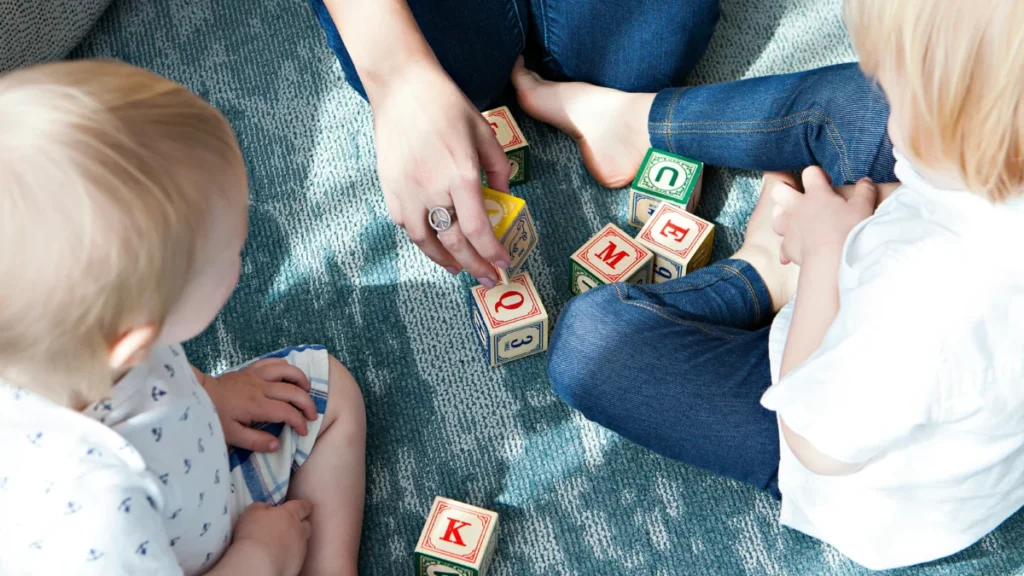
Recognising letters and sounds, counting, sorting and noticing patterns introduce the building blocks of reading and mathematics in playful, age-appropriate ways.
Curiosity and creativity
Open-ended play, art, music and exploration encourage children to ask questions, experiment and express themselves.
The power of play
For young children, play is learning. Through play, children test ideas, solve problems, use language and develop social skills. Effective early years settings combine child-led play with gentle adult guidance, so that children explore freely while being supported to extend their learning. Approaches such as Montessori education place strong emphasis on hands-on, self-directed activity.
What a quality early years setting looks like
Parents choosing a nursery or pre-school can look for several signs of quality.
- Warm, responsive adults who know each child well.
- Safe, well-organised spaces with accessible materials.
- A balance of activities, including play, stories, music, movement and outdoor time.
- Trained staff who understand child development.
- Regular communication with parents about each child’s progress.
The role of parents
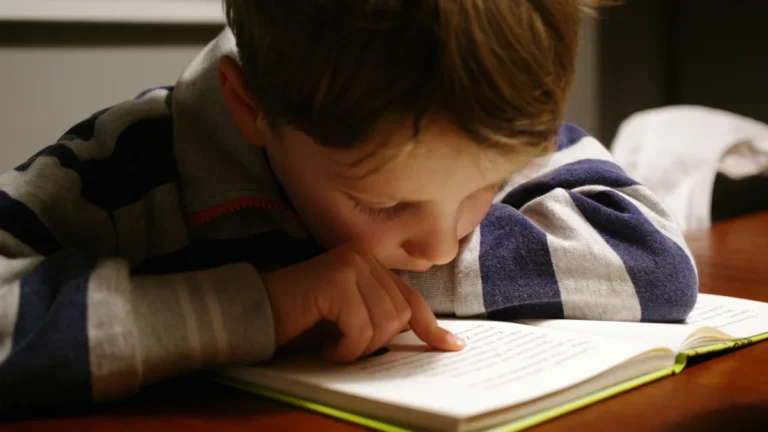
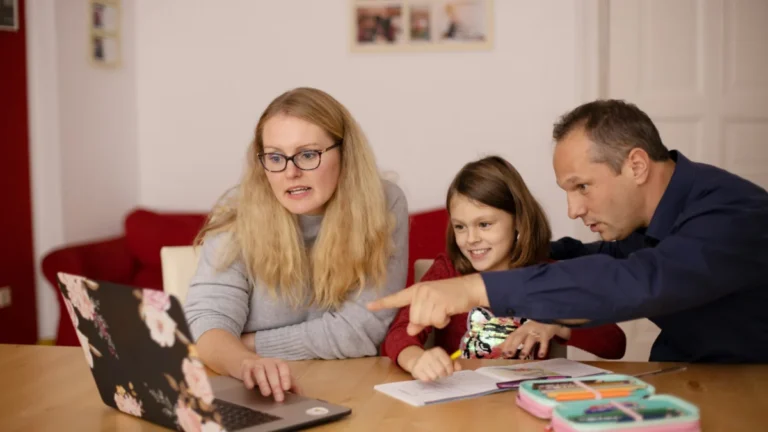
Parents are a child’s first teachers. Everyday activities such as reading together, talking during meals, counting objects on a walk or cooking side by side all support early learning. Strong communication between home and school helps children feel secure and makes learning more consistent, as we discuss in our article on parent-school collaboration.
Reading aloud is one of the simplest and most effective habits families can build. Our article on building a reading culture among children offers practical ideas.
Building foundations for lifelong learning
Early childhood education is not about rushing children into formal schooling. It is about nurturing confidence, curiosity and the basic skills that make later learning possible. Children who feel secure and enjoy learning in their early years are better prepared for the challenges ahead.
Everyday learning moments
Early learning often happens in small, ordinary moments. Sorting laundry by colour introduces classification. Counting stairs while climbing them builds number sense. Talking about the weather, the shapes of clouds or the ingredients in a meal adds new words to a child’s vocabulary. Singing rhymes develops awareness of sounds, which later supports reading.
In a nursery or pre-school, skilled practitioners deliberately create many of these moments, extending a child’s play with a well-timed question or a new material. At home, parents can do the same simply by talking, listening and noticing what interests their child. These everyday experiences, repeated over time, add up to strong foundations.
Conclusion
Early childhood education lays the groundwork for everything that follows. By combining play, care, rich language and skilled guidance, families and schools can help young children build strong foundations for lifelong learning.
The Chelis Montessori Center focuses on Montessori education, an approach closely associated with the early years, and Neo-Montessori Life shares ideas for parents and educators. To learn more, get in touch with our team.